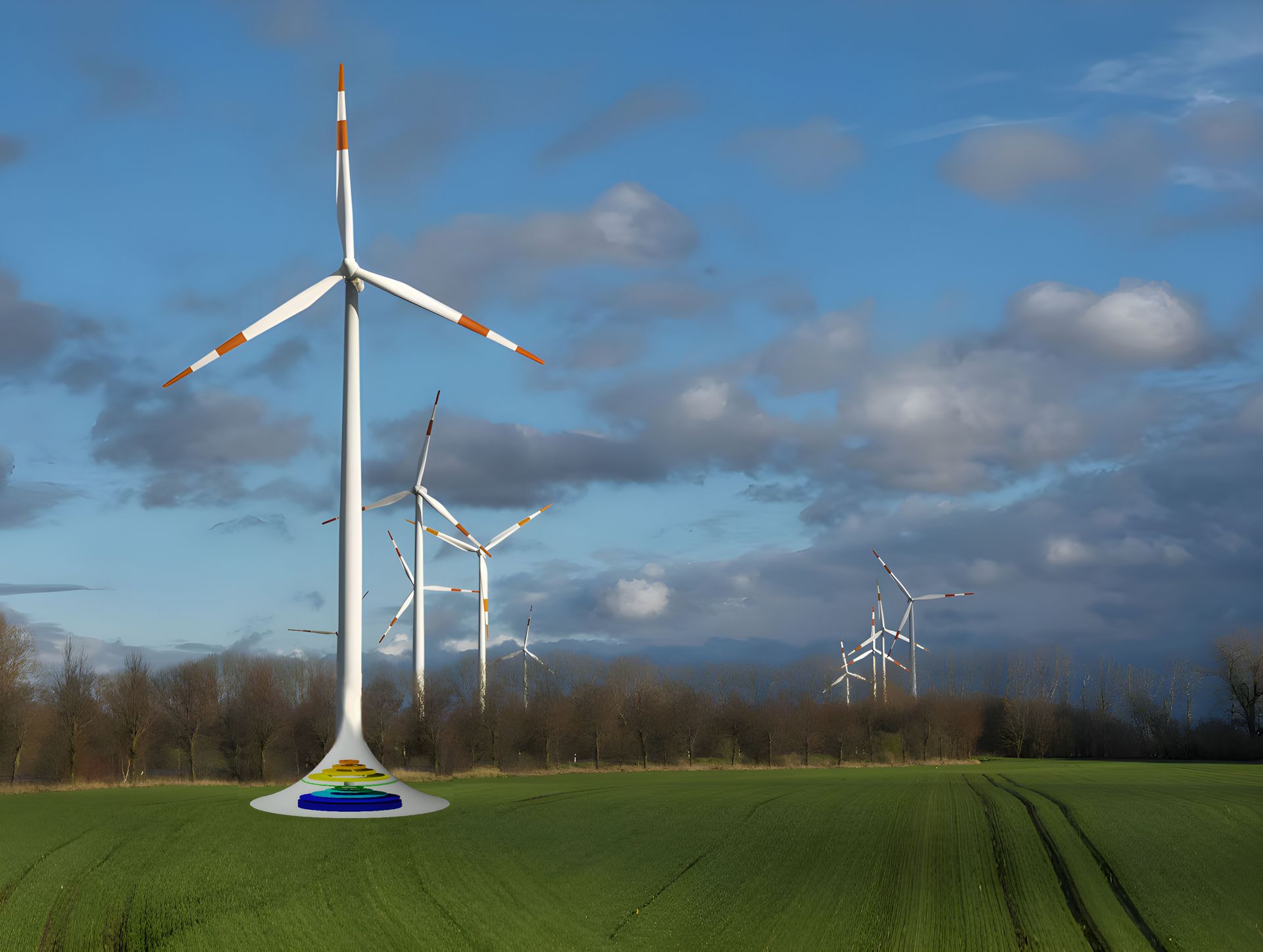
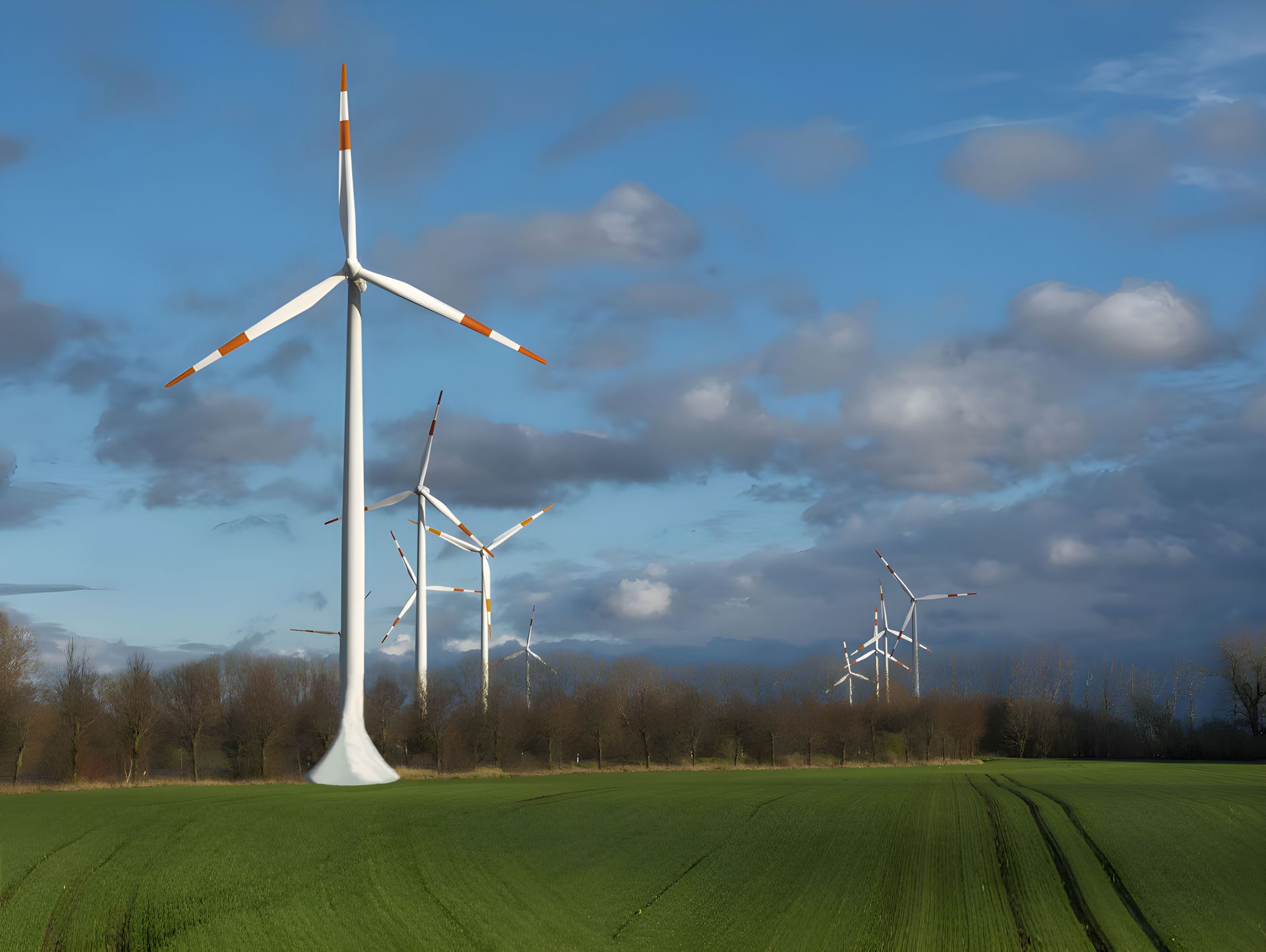
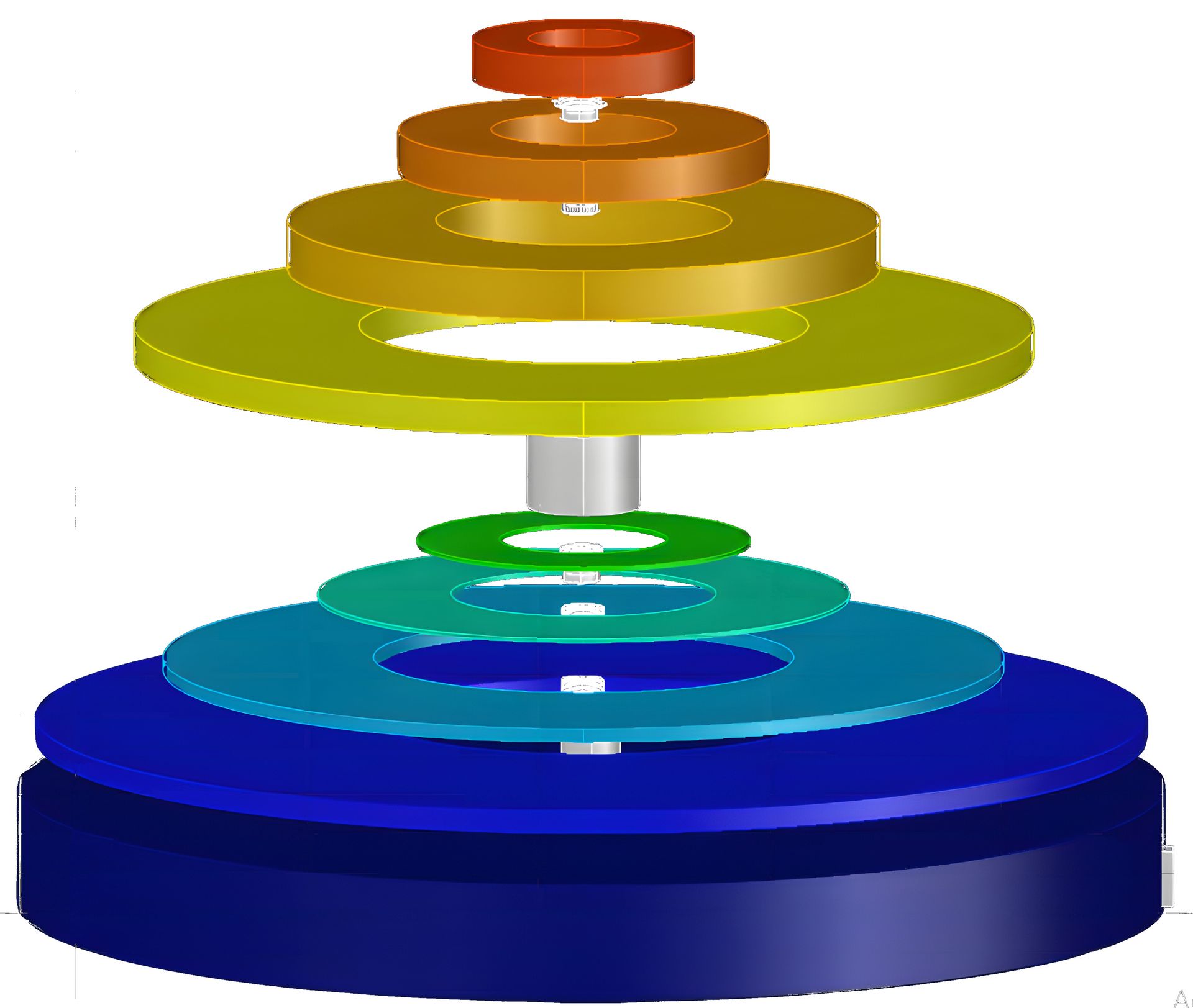
The Storage Tower replaces the conventional gearbox and generator in a wind turbine with a multi‑stage flywheel cascade. It captures wind from 1.5 to 40 m/s (extending cut‑out speed from 25 m/s) and stores 6 MWh for dispatchable delivery on demand. The system uses passive ferrite magnetic levitation and low‑cost materials – concrete, sand, steel – with no rare earths, and passive maglev with passive control.
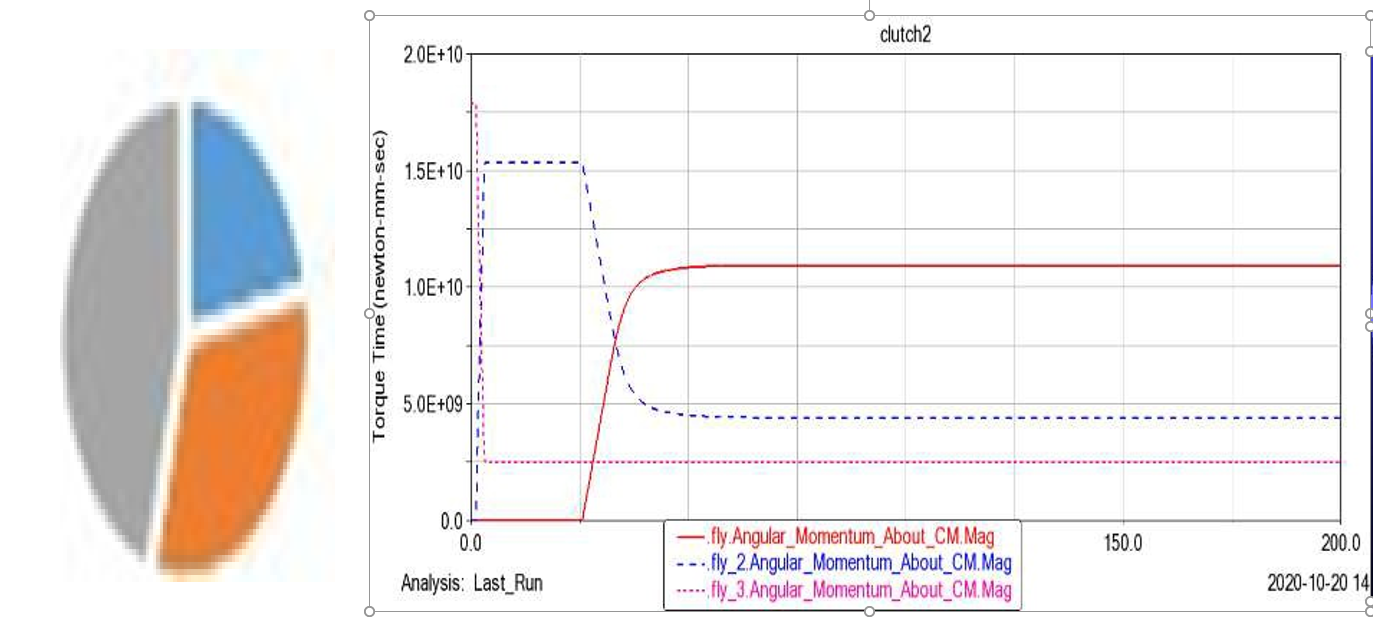
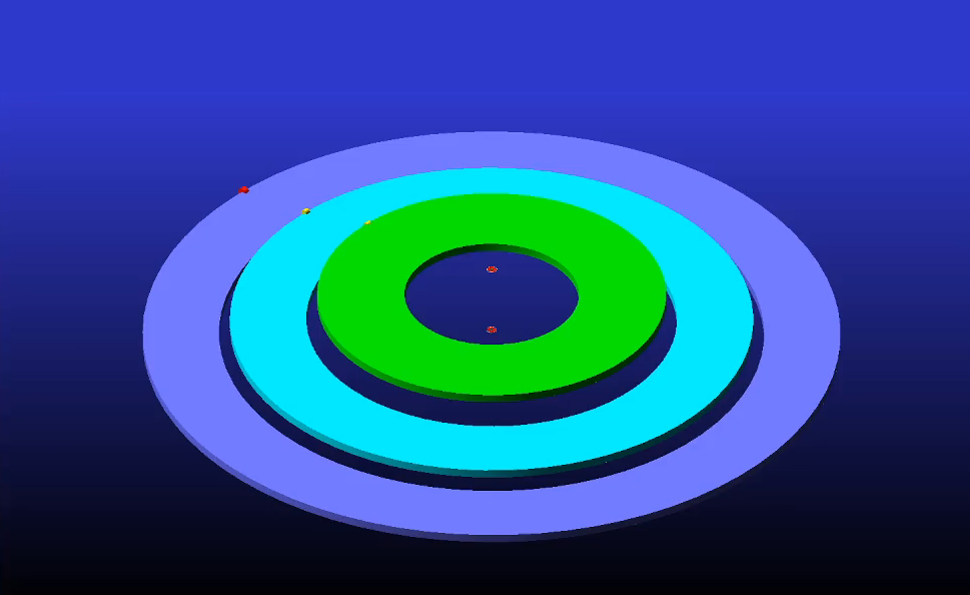
A flywheel cascade is a series of flywheels of geometrically increasing mass connected by one-way centrifugal clutches where momentum accumulates in each flywheel and is transferred to the next after it reaches a set rpm. A
flywheel cascade is analogous to starting a bicycle in low gear: small
impulses are accumulated stepwise, making the system far more sensitive
than a single large flywheel.
The high‑speed flywheels use passive ferrite magnetic
bearings.
Oversized touchdown bearings and a rim damper provide passive stability at <300 RPM. Power is
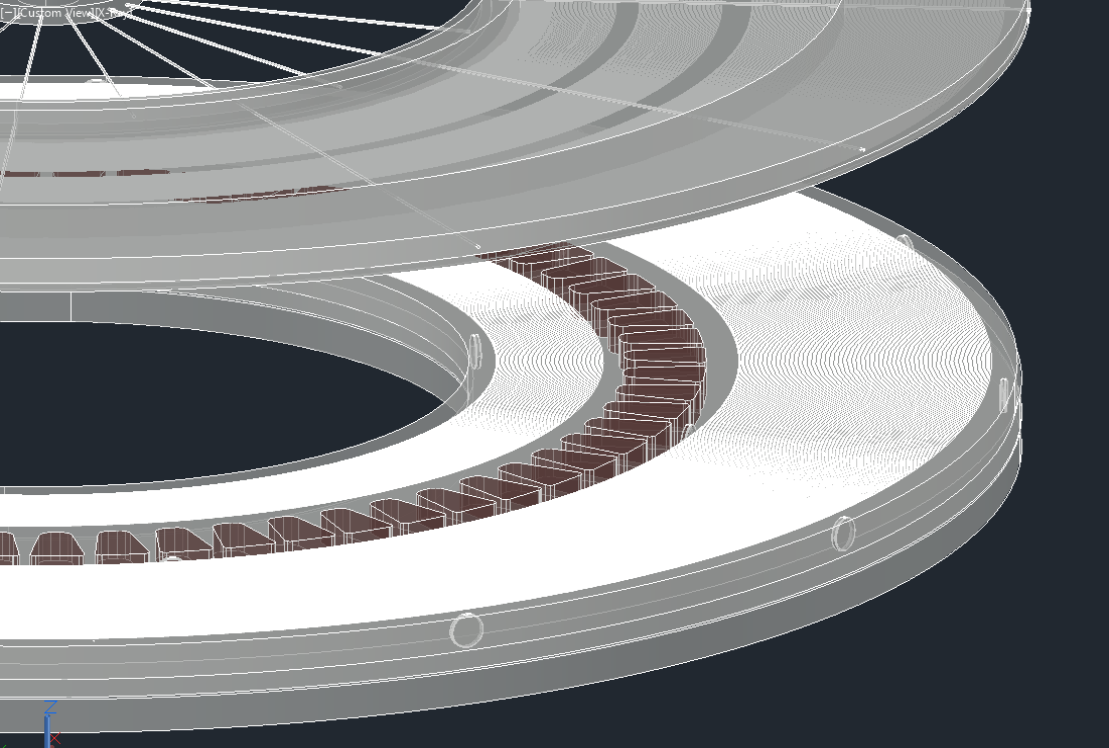
extracted via an axial flux generator that also operates efficiently at partial RPM.
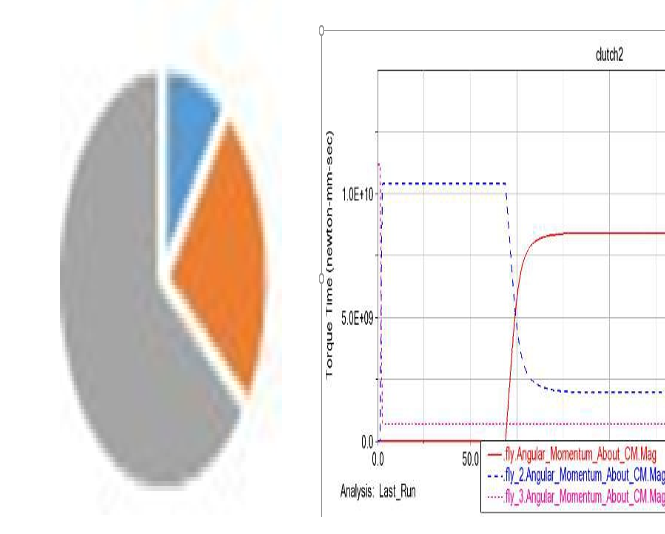
We have verified the core physics through 168‑hour MSC Adams multi‑body dynamics simulations, demonstrating 76% momentum transfer efficiency in the optimized cascade configuration.
Watch the Video
Storage Tower Changes Wind Economics
Dispatchable wind at 4.5 ¢/kWh – the same cost as erratic onshore wind
50‑year lifetime – no cycle degradation, matches turbine life
+20.7% higher annual yield in stormy regions (1.5–40 m/s operating range)
40% lower gearbox maintenance – absorbs 95% of torque spikes
2‑hour dispatchability – enables peak shaving and grid services
No rare earths, no active controls – passive ferrite + sand ballast